
Nealey
- Advanced Features (5)
- Block Extensions (14)
- Changelog (7)
- Content Blocks (10)
- Form Builder (1)
- Getting Started (10)
- Interactive Blocks (10)
- Layout Blocks (5)
- Settings & Configuration (1)
-
DesignSetGo 2.10: multi-step forms, conditional fields, and layouts per device
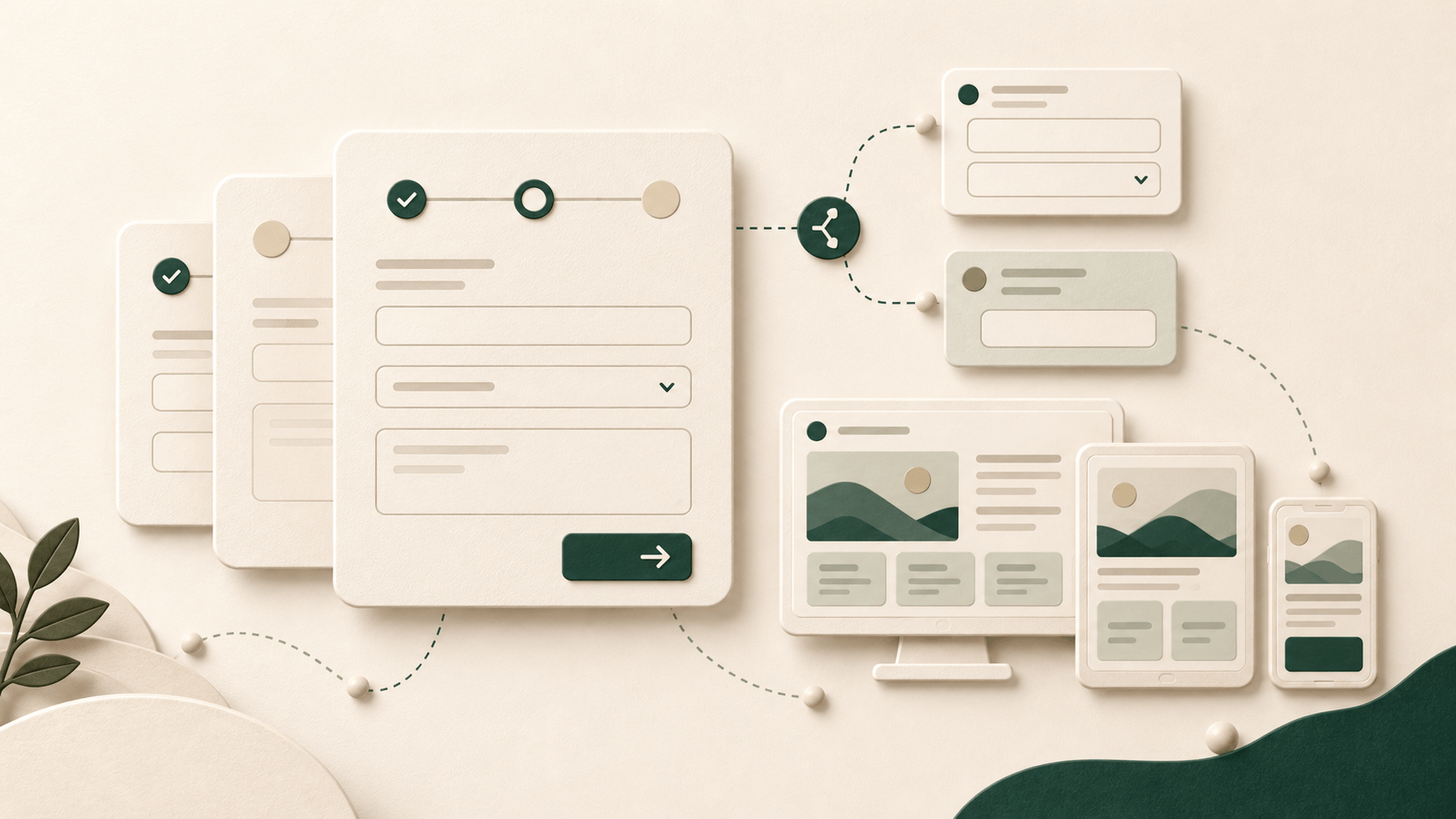
DesignSetGo 2.10 is out, and most of it is about forms. Until now the Form Builder handled a short contact form well and not much beyond that. 2.10 lets you split a long form into steps, show a field only when an earlier answer calls for it, and send submissions somewhere other than your inbox.…
-
DesignSetGo 2.9: faster pages, tighter security, and countdowns that agree on the time
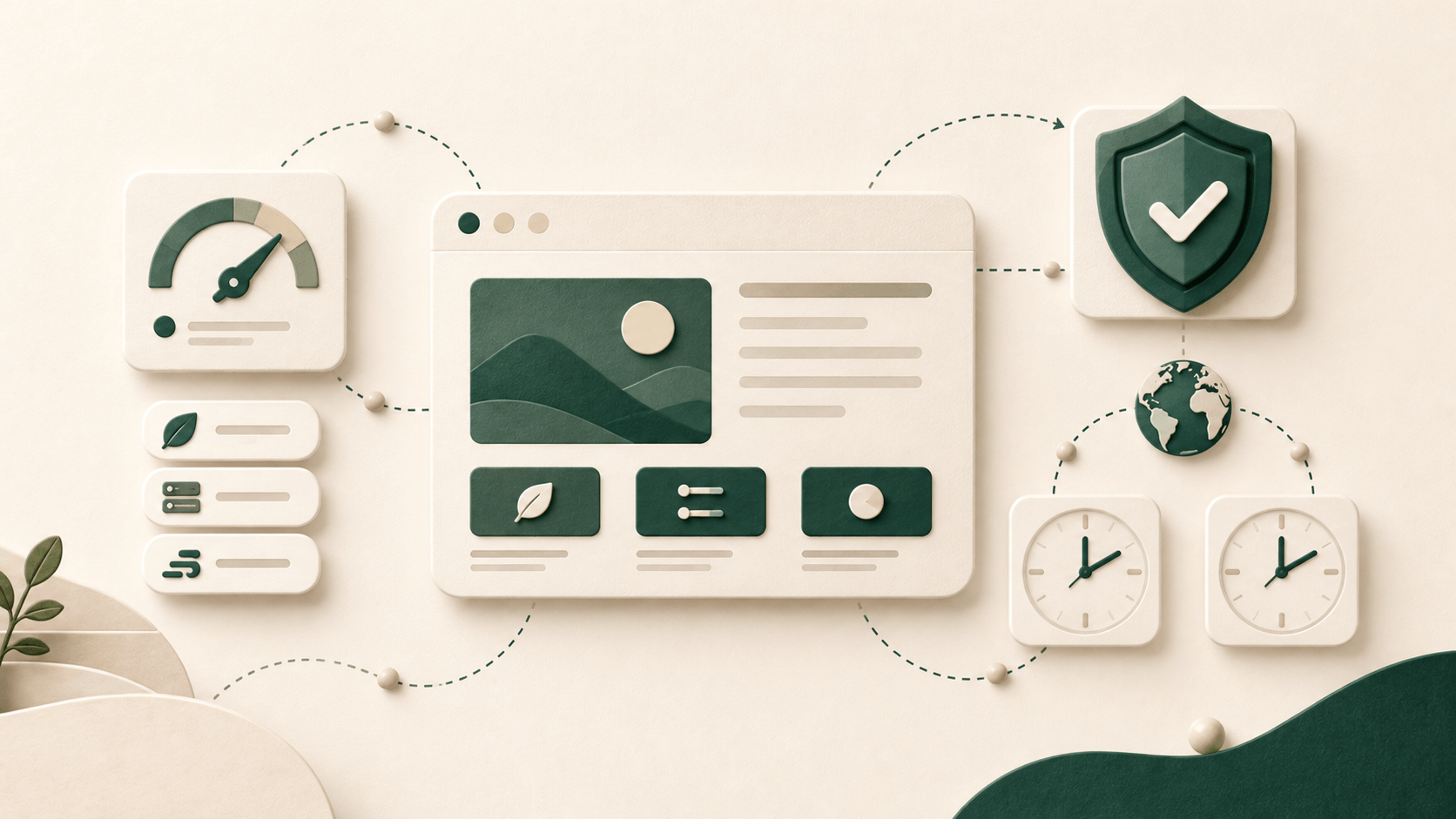
Most of DesignSetGo 2.9 happens behind the scenes. Pages send less code, three security gaps are closed, and some long-standing quirks are fixed. There are new things too, but if you only read one section, read “Before and after you update” at the end. A couple of changes need a minute of your attention. Pages…
-
DesignSetGo 2.8: layout control for Section and Grid, and a lot of fixes you can see
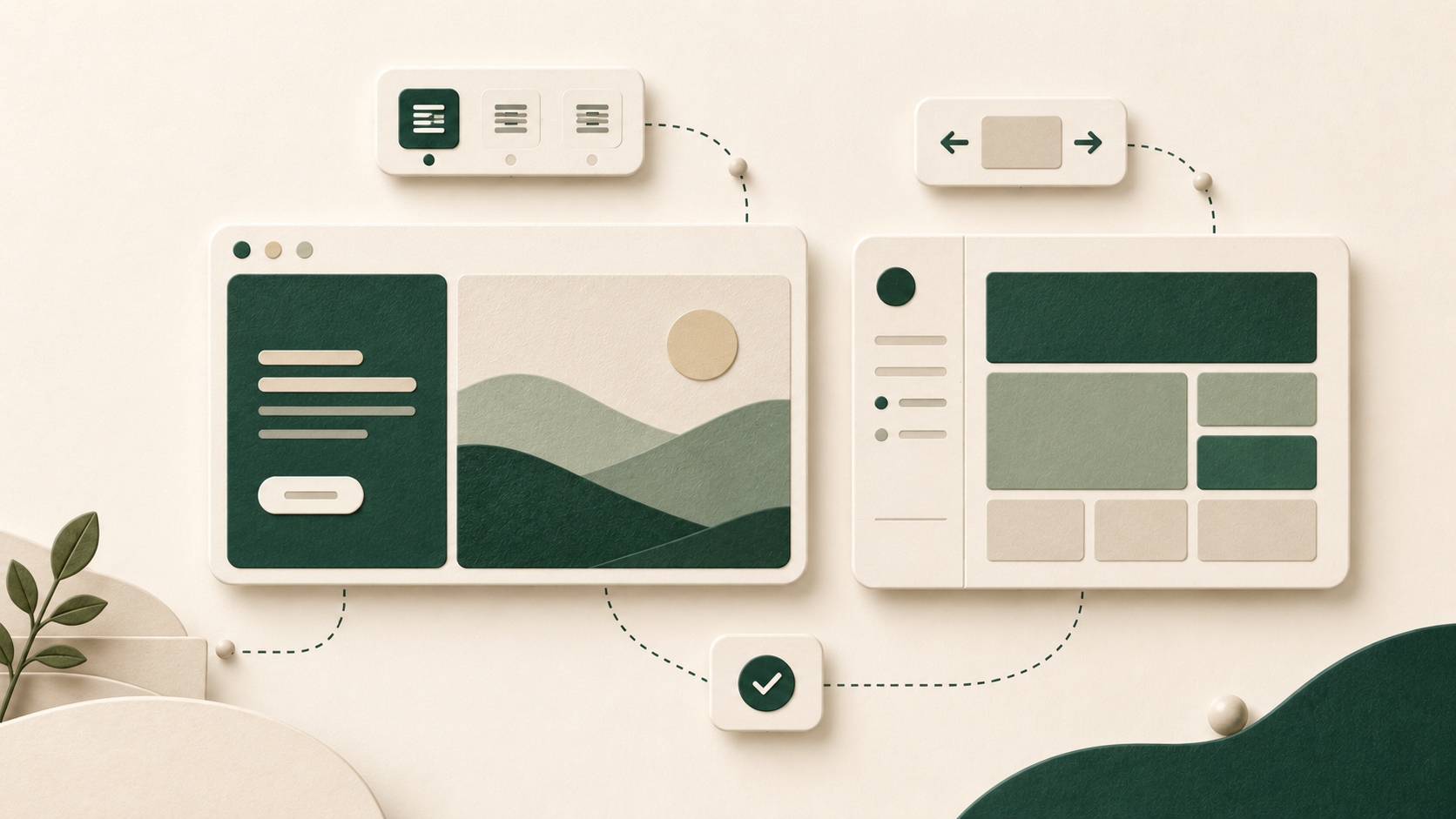
DesignSetGo 2.8 is out, along with two quick follow-ups, 2.8.1 and 2.8.2. This one started as a layout release and turned into a cleanup release halfway through. The new layout settings are the headline, but the fix I’m happiest about is one most people never knew they had: 33 blocks were sending their editor-only styling…
-
DesignSetGo 2.7: charts, interactions, and Woo product filters

DesignSetGo 2.7 is out. I went a little overboard on this one. There are new visual blocks, a much more capable interaction system, and a WooCommerce-aware Dynamic Query that lets Woo’s own product filters drive a custom loop. We also spent real time on the less glamorous part of a release: all the slider and…
-
Clickable Group Patterns: Turning Any DesignSetGo Block Into a Link
Card-style UI lives or dies on whether the whole card is clickable. The DesignSetGo Clickable Group extension makes any container block a link — without sacrificing accessibility or nested links.
-
Building FAQ Pages That Rank: Using the Accordion Block With Schema.org
An FAQ accordion is a lightweight UX pattern that also happens to be one of the highest-leverage SEO wins available — if you wire it up to FAQPage schema. Here’s the pattern.
-
DesignSetGo 2.1: Dynamic Content, Block Bindings, and a Rebuilt Editor Experience

Version 2.1 is the biggest DesignSetGo release yet: a full Dynamic Query block family, an Elementor-style Dynamic Tags picker, native WordPress 6.9 Block Bindings, field sources for Meta Box / Pods / JetEngine, conditional block visibility, per-URL Markdown, and a rebuilt editor experience across the entire block library.
-
Bulk Site Updates With the Abilities API: Rebranding 100 Posts in 30 Seconds
find-blocks and batch-update are the two DesignSetGo abilities that make sitewide content operations a single LLM prompt instead of a weekend of clicking. Here’s how to use them safely.
-
Animate on Scroll Without a Third-Party Plugin: The DesignSetGo Animation Extension
Scroll-triggered animations don’t need AOS, GSAP, or a page-builder dependency. DesignSetGo’s Animation extension adds tasteful, performant motion to any block — core or DesignSetGo — with a few checkboxes.
-
Section vs Row vs Grid: Which DesignSetGo Layout Block Should You Reach For?
Section, Row, and Grid all arrange blocks — but they solve different problems. Here’s a plain-English guide to when each one is the right tool, with concrete examples you can steal.